
Exploring the intersection of gambling and storytelling in popular films
The Allure of Gambling in Film Narratives
Gambling has long been a captivating theme in cinema, acting as a catalyst for character development and plot progression. Movies like “Casino Royale” and “Rounders” depict the high stakes associated with gambling, often mirroring the risks and rewards in life. The thrill of the gamble not only serves as a plot device but also reflects deeper human emotions such as greed, desperation, and the quest for validation. These films pull viewers into a world where the outcome is unpredictable, making the audience invest emotionally in the characters’ journeys. For those looking to explore this thrilling world, the best payid casinos are an excellent starting point.
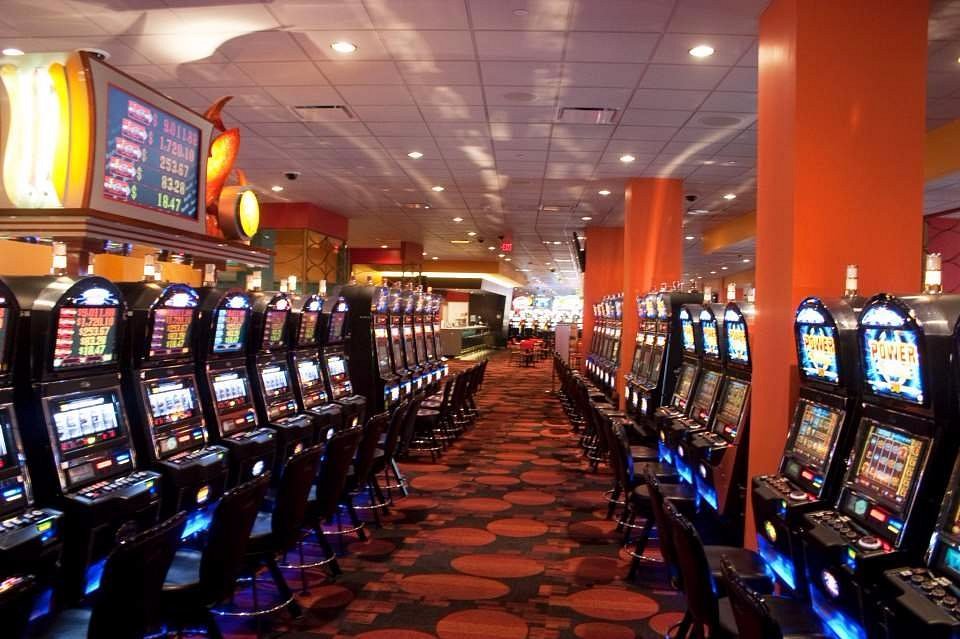
Moreover, the glamorization of casinos and the art of the gamble often adds layers of intrigue to the storytelling. In films like “Ocean’s Eleven,” the setting becomes a character in itself, filled with excitement and danger. The vibrant visual storytelling intertwines with the fast-paced narrative, making it a rich canvas for exploring themes of luck and chance. The stakes are not merely financial; they encompass personal aspirations and the relentless pursuit of dreams, making these cinematic stories resonate with audiences on multiple levels.
By creating vivid worlds where gambling acts as a metaphor for life’s unpredictability, filmmakers tap into the universal fear and fascination surrounding chance. The tension built around gambling scenes amplifies emotional engagement, drawing viewers deeper into the narrative. The exploration of these themes elevates the films from mere entertainment to profound examinations of the human condition, revealing how the gamble reflects life’s inherent risks.
Character Archetypes and Development
The characters in gambling films often embody classic archetypes that resonate with audiences. The “anti-hero” frequently takes center stage, driven by a need for redemption or an insatiable thirst for success. In films such as “The Gambler,” the protagonist grapples with their inner demons, using gambling as both an escape and a means of confronting their flaws. This internal conflict provides a rich narrative texture, allowing the viewer to empathize with the character’s plight, even as they make reckless choices.
Additionally, characters such as the shrewd con artist or the naive newcomer serve to highlight the duality of the gambling world. The former represents cunning and resourcefulness, while the latter often showcases vulnerability and the pitfalls of naivety. By juxtaposing these archetypes, filmmakers delve into the complexities of human relationships within the high-stakes environment of gambling, underscoring themes of trust and betrayal. These dynamics add emotional weight to the narrative, making the stakes feel even higher.
As the story unfolds, the characters often undergo significant transformations, influenced by their experiences at the gambling table. These arcs can illustrate themes of fate versus free will, showcasing how choices can lead to unexpected consequences. This character development reinforces the film’s central themes, making the narrative not only a reflection on gambling itself but also a commentary on the choices we make in the broader context of life.
The Cinematic Techniques Behind Gambling Scenes
The portrayal of gambling in film is as much about visual storytelling as it is about narrative. Cinematic techniques, including camera angles, lighting, and sound, play a crucial role in heightening the tension during gambling scenes. For instance, close-up shots of a poker face or the slow-motion reveal of a winning card can create palpable suspense, engaging the audience and mirroring the characters’ emotions. Such techniques transform the act of gambling into a visceral experience, pulling viewers into the high-stakes environment.
Furthermore, the use of music and sound design amplifies the atmosphere. The heartbeat-like sound effects during pivotal moments or the crescendo of a score as the stakes rise enhance the emotional impact, allowing the audience to feel the intensity of the game. This careful orchestration of sound and imagery not only makes the gambling scenes compelling but also serves to deepen the audience’s connection to the narrative and its characters.
In films like “21” and “The Hangover,” these techniques are employed strategically to evoke a sense of urgency and excitement. The filmmakers skillfully manipulate pacing, alternating between slow build-ups and rapid action, mirroring the unpredictable nature of gambling itself. This dynamic approach engages viewers, ensuring they remain on the edge of their seats, invested in both the outcome of the game and the fate of the characters involved.
The Cultural Impact of Gambling Films
Films centered around gambling have a profound cultural impact, shaping societal perceptions of risk and reward. They often glamorize the gambling lifestyle, presenting it as an alluring escape from reality. This portrayal can influence public attitudes towards gambling, sometimes normalizing risky behaviors and downplaying the potential consequences. The allure of wealth and excitement depicted in films can lead to misconceptions about the ease of winning and the thrill of the gamble.
Moreover, these films often spark discussions about the morality of gambling, prompting viewers to reflect on the ethical implications of risk-taking. By showcasing the darker sides of gambling—such as addiction, loss, and the toll on relationships—filmmakers create a dialogue about the consequences that accompany the thrill. These stories serve as cautionary tales, encouraging audiences to consider the balance between entertainment and reality, as well as the importance of responsible gambling.
The cultural footprint of gambling films can also inspire real-world conversations about regulations and societal impacts. As these narratives unfold on-screen, they often mirror larger societal issues, such as economic inequality and the quest for the American Dream. By doing so, they elevate the conversation surrounding gambling from mere entertainment to a significant cultural phenomenon that reflects and shapes public consciousness.

Connecting with Online Casino Communities
In today’s digital age, the intersection of gambling and storytelling extends beyond the silver screen and into online communities. With the rise of online casinos, players can engage in narratives similar to those portrayed in films. These platforms offer a unique space for storytelling through games, where every spin of a slot machine or card dealt can result in a dramatic shift in fortune, echoing the narratives seen in movies.
Online casino platforms often leverage cinematic themes to create immersive experiences for players. From video slots with intricate storylines to live dealer games that simulate the atmosphere of a high-stakes casino, these offerings bring the thrill of gambling into the virtual realm. Players can now participate in their own gambling narratives, often sharing their experiences and stories within online forums and communities, fostering a shared connection through a love for both gaming and storytelling.
As gambling narratives continue to evolve, the online casino industry embraces these cinematic influences, shaping a new era of interactive storytelling. This convergence allows players not only to enjoy the thrill of the gamble but also to engage with a community that shares their interests. Thus, the storytelling aspect of gambling transcends film, creating a holistic experience that blends entertainment, risk, and shared narratives in a digital age.
